General Dentist Aurora: Advice for Better Brushing and Flossing Habits
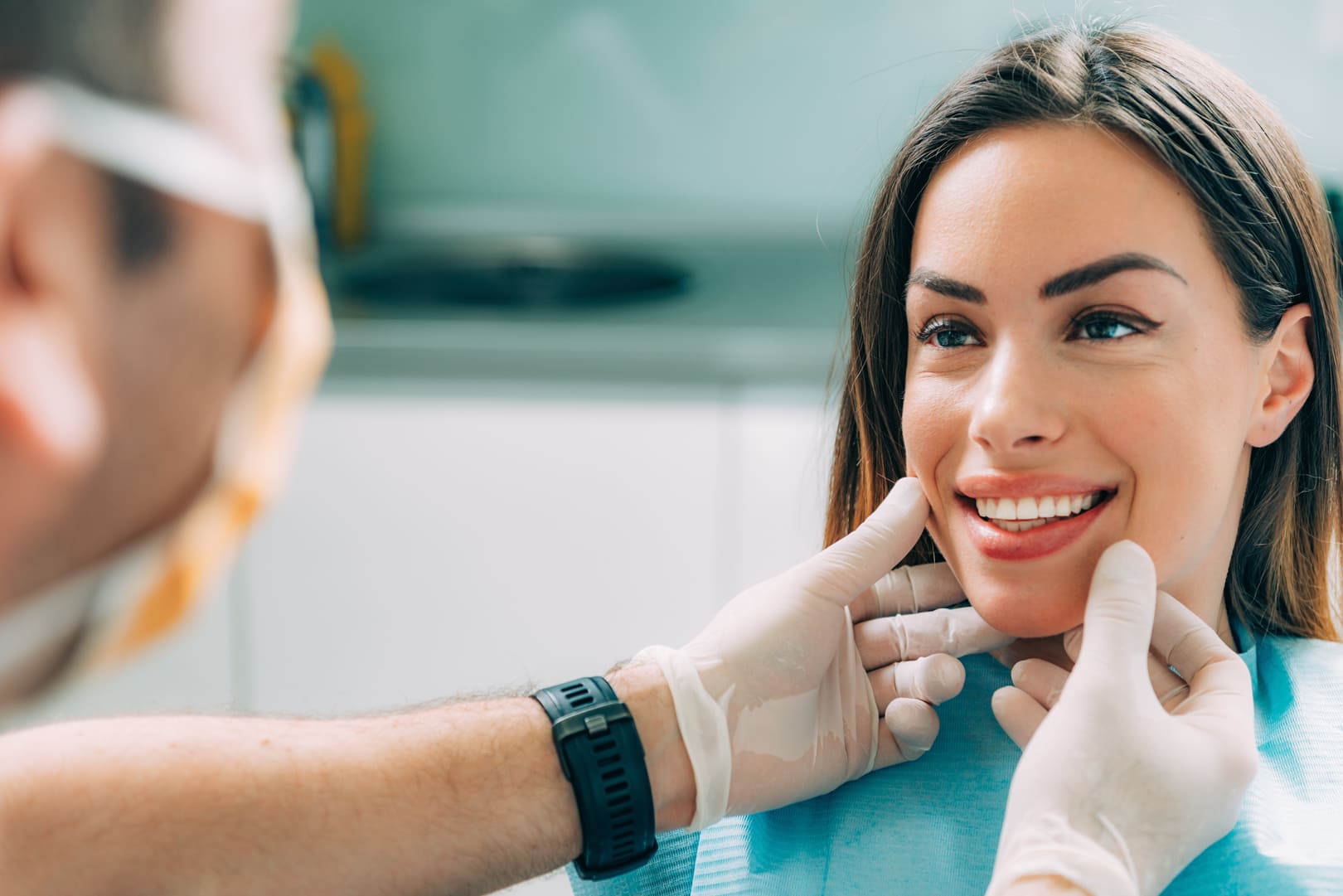
Good oral hygiene sounds simple until you watch how most people actually brush and floss. In the dental chair, patterns become obvious fast. Someone says they brush twice a day, but there is still heavy plaque around the gumline. Another patient flosses every night, yet the contact points between back teeth are inflamed because the floss snaps through and comes right back out. Effort is there, but technique is off.
That gap between intention and execution matters more than many people realize. Cavities do not appear overnight, and gum disease rarely starts with dramatic pain. More often, the trouble builds quietly through small daily misses. A rushed 45-second brush. A toothbrush head that is long past its useful life. A habit of skipping the lower molars because they are harder to reach. These are ordinary mistakes, and they add up.
A good general dentist in Aurora will usually tell you the same thing after an exam: home care is where the long-term outcome is decided. Professional cleanings and exams are essential, but they cannot undo poor brushing and flossing habits repeated 365 days a year. The upside is that better habits do not require perfection. They require General Dentist Aurora consistency, better mechanics, and a routine you can actually keep.
Why technique matters more than force
Many adults assume that cleaner teeth come from scrubbing harder. It is one of the most common misconceptions in dentistry. Plaque is soft. It does not need brute force to remove it. In fact, brushing aggressively can wear down enamel at the gumline, irritate soft tissue, and contribute to sensitivity over time.
Think about what the toothbrush is trying to do. Its job is to disrupt the sticky film of bacteria that collects on teeth and around the edges of the gums. That film reforms constantly. If you miss it for a day, it becomes more organized and harder to remove. If you leave it longer, it can mineralize into tartar, which cannot be brushed off at home. The answer is not pressure. The answer is thoroughness.
Patients are often surprised when a gentler technique leaves their mouth feeling cleaner. Once the brush angle improves and enough time is spent along the gumline, the difference is noticeable. The teeth feel smoother. The gums bleed less after a week or two. Morning breath tends to improve. These are practical signs that the routine is working.
The brushing mistakes that show up most often
Brushing errors usually fall into a few predictable categories. The first is not brushing long enough. Two minutes can feel like a long time when you are tired or late for work, but many people are done in less than one minute. That is rarely enough time to clean every surface carefully, especially if you have crowded teeth, restorations, or a retainer wire.
The second mistake is brushing only the obvious surfaces. People naturally focus on the front teeth because those are the ones they see. The inner surfaces, especially behind the lower front teeth, are easy to neglect. Unfortunately, that is also an area where tartar commonly builds up because the salivary glands nearby encourage mineral deposits.
The third problem is brush angle. If the bristles point straight at the middle of the teeth and never sweep the gumline, plaque remains right where gum inflammation starts. A slight tilt toward the gum margin tends to work far better.
Then there is toothbrush fatigue. Bristles that have splayed outward are not cleaning well anymore. They bend rather than sweep. If the brush head looks flattened or ragged, it is no longer doing precise work, no matter how expensive it was when you bought it.
A final issue is the assumption that mouthwash can make up for poor brushing. It cannot. Mouthwash can freshen breath and play a useful supporting role, depending on the formula, but it does not replace mechanical removal of plaque.
A better way to brush, morning and night
A solid brushing routine is less complicated than people expect. Start with a soft-bristled toothbrush or a quality electric brush with a small head. Position the bristles so they reach both the tooth and the edge of the gum. Use short, controlled motions rather than wide scrubbing strokes. Move methodically, not randomly. Some patients like to divide the mouth into four sections and spend about 30 seconds on each. That approach works well because it prevents the common habit of brushing the easy areas twice and the hard areas not at all.
The outer surfaces usually get adequate attention, but the inner surfaces need deliberate effort. Tilt the brush vertically behind the front teeth if needed and use small up-and-down strokes there. On the chewing surfaces, let the bristles settle into the grooves and work with a light back-and-forth motion. If you are using an electric brush, the lesson is often to do less. Guide the head slowly from tooth to tooth instead of scrubbing with it. The brush is already doing the movement for you.
Toothpaste matters, though not as much as the marketing suggests. Fluoride toothpaste remains the standard recommendation for most adults and children because it helps strengthen enamel and lower cavity risk. The amount does not need to be excessive. More paste does not mean a better clean. In adults, a ribbon that covers the brush head is common, but the key factor is using it consistently, not piling it on.
Night brushing deserves special attention. If there is one session you should not skip, it is the one before bed. During sleep, saliva flow drops. Since saliva helps buffer acids and wash away debris, the mouth becomes more vulnerable overnight. Going to bed without brushing leaves bacteria and food residue in place for hours when the natural defenses are lower.
Flossing is less about frequency than quality
People often ask whether flossing every day is really necessary. In practice, what matters most is whether the areas between the teeth are being cleaned effectively and regularly enough to prevent inflammation. For most adults, daily flossing or another form of interdental cleaning is the most reliable standard. If you floss seven days a week but do it carelessly in 20 seconds, the benefit will be limited.
The purpose of floss is not simply to pull out visible food. It is to clean the sides of the teeth where a toothbrush cannot reach. That means the floss has to wrap around one tooth surface, slide gently beneath the gum edge, move up and down a few times, then repeat on the adjacent tooth. If the floss snaps straight through the contact and comes right back out, most of the plaque remains.
This is why some patients say, with complete honesty, that they floss regularly and still hear from their dentist that their gums are inflamed. The habit exists, but the technique never matured. Once they slow down and contour the floss properly, the bleeding often improves within a couple of weeks, assuming no deeper periodontal issue is present.
Tight contacts can make flossing frustrating. In those cases, waxed floss, floss picks, or specialty interdental aids may be easier to use consistently. People with bridges, implants, braces, or permanent retainers often need adapted tools such as threaders or interdental brushes. There is no prize for using the “purest” method if it is so inconvenient that you avoid it. The best tool is the one that cleans effectively and becomes part of your routine.
How to make flossing less irritating
Flossing gets abandoned when it feels awkward, painful, or time-consuming. Much of that resistance comes from trying to do it too fast. The motion should be controlled. If you force floss down abruptly, it can cut into the gum tissue and make the whole process unpleasant. A gentle sawing motion helps pass the contact point without trauma.
Patients with sensitive gums often stop flossing because they think the bleeding means they should leave the area alone. Usually the opposite is true. Bleeding during flossing commonly signals inflammation caused by plaque accumulation. When cleaned gently and consistently, the tissue often becomes healthier and bleeds less. That said, persistent bleeding, swelling, or pain should be evaluated, especially if it is localized to one area. A cavity, a defective filling, or gum disease may be contributing.
For people who truly dislike string floss, alternatives can be very effective when matched to the right mouth. Small interdental brushes are excellent for larger spaces, some gum recession cases, and around dental work. Water flossers can help flush debris and reduce inflammation, especially for braces and implants, but they work best as an addition, not a total substitute, unless your dentist recommends otherwise based on your situation.
The routine that works in real life
The ideal oral hygiene routine is not the one that sounds impressive. It is the one that survives busy mornings, late nights, travel, and ordinary fatigue. That is why habit design matters.
If brushing at night is the weak point, change the sequence of your evening. Some people do better brushing earlier, right after dinner, rather than waiting until they are half asleep. If flossing is always skipped in the bathroom, keep floss near the place where you wind down, as long as it still gets used hygienically and consistently. If you wear aligners, make cleaning your teeth the non-negotiable step before putting them back in for the night.
Small practical adjustments are often more effective than dramatic resolutions. A patient who buys an expensive oral care system but uses it for six days has changed nothing. A patient who sets a two-minute timer and keeps floss on the counter where it is visible is far more likely to improve over the long run.
The most reliable habits usually share a few qualities:
- they happen at the same time each day
- the tools are easy to reach and in good condition
- the routine is simple enough to complete even when you are tired
- progress is judged over weeks, not by one perfect night
That last point matters. Oral hygiene is cumulative. Missing one flossing session does not ruin your mouth. Repeating the same omissions for months does.
What a general dentist in Aurora notices right away
When a general dentist in Aurora examines your mouth, the signs of home care are usually easy to read. The pattern of plaque buildup shows where your brush is missing. Bleeding points during a cleaning often reveal where floss is not reaching well. Wear near the gumline can suggest overbrushing. Dry mouth, recession, crowded teeth, and older restorations all change what “good technique” looks like for a specific patient.
This is why personalized advice matters. Two people can receive the same instruction to brush twice and floss daily, yet one may need extra focus around a lower fixed retainer while the other needs help cleaning exposed root surfaces gently. Standard advice gets you started. Tailored advice solves the actual problem.
A clinician with experience will also weigh trade-offs. For example, an electric toothbrush may be better for someone with limited hand dexterity, but a manual brush can work beautifully in careful hands. A water flosser may increase compliance for a teenager with braces, even if it is not the traditional first choice. A stronger fluoride option may be reasonable for a cavity-prone adult with dry mouth, while a person with healthy teeth and low risk may do well on regular fluoride toothpaste alone.
That kind of judgment comes from looking at your mouth, your history, and your habits together, not in isolation.
Children, teens, and adults do not need the same coaching
Young children need supervision far longer than many parents expect. Fine motor control develops gradually. A child may be able to hold a brush and move it around, but that is different from brushing effectively along every surface. Parents often need to help or at least closely inspect until the child can manage the task thoroughly.
Teenagers bring a different challenge. They usually know what to do. The issue is consistency. Orthodontic appliances, sports schedules, irregular sleep, and sugary drinks create a perfect storm for decalcification and gum inflammation. In this age group, tools that reduce friction are worth considering. If floss threaders, proxy brushes, or a water flosser make compliance more realistic, that practical advantage matters.
Adults tend to struggle with time, sensitivity, and accumulated dental work. Crowns, bridges, implants, recession, and worn enamel can all make technique more nuanced. Someone who brushed aggressively for twenty years may need to relearn pressure entirely. Someone with dry mouth from medication may need more frequent hydration, fluoride support, and careful nighttime cleaning.
Older adults can face reduced dexterity, arthritis, and exposed root surfaces that are more vulnerable to decay. A larger-handled brush, an electric toothbrush, or simple modifications in grip can make a dramatic difference. Oral hygiene should adapt as the body changes.
When bleeding gums and bad breath are trying to tell you something
Bad breath and bleeding gums are often treated as surface problems. People buy stronger mint products or avoid flossing where it bleeds. Both responses miss the underlying message.
Bleeding gums commonly indicate inflammation. The cause is often local plaque accumulation, though hormonal changes, certain medications, smoking, and systemic health conditions can influence gum health too. If you improve your brushing and flossing technique and the bleeding settles within a couple of weeks, that is reassuring. If it does not, it deserves a closer look.
Bad breath works similarly. Temporary odor after coffee, garlic, or waking up is normal. Persistent bad breath despite brushing can point to plaque on the tongue, gum disease, dry mouth, decayed teeth, or leaking dental work. Sometimes the source is not dental at all, but the mouth should be evaluated first because the common causes are often found there.
Here are a few signs that your home care may need correction, or that a dental visit is overdue:
- gums bleed regularly when you brush or floss
- your teeth feel fuzzy again soon after cleaning them
- bad breath returns quickly even after brushing
- one area traps food constantly
- sensitivity has increased without an obvious reason
None of these signs automatically means serious disease, but each one justifies attention.
The role of professional cleanings
Even excellent home care does not make professional cleanings unnecessary. Tartar cannot be removed with a toothbrush or floss once it forms. Certain areas are simply harder to keep plaque-free because of anatomy, crowding, or restorations. A professional cleaning removes hardened deposits, gives the gums a chance to recover, and creates a cleaner baseline for your daily routine.
Equally important, regular dental visits help catch small issues before they turn expensive and painful. A cavity between teeth often has no symptoms early on. Gum disease can progress quietly. A cracked filling may not be obvious until it causes food trapping or sensitivity. When these problems are found early, treatment is usually simpler.
A general dentist General Dentist Aurora in Aurora should be more than the person who fills cavities when something hurts. The more valuable role is preventive: identifying patterns, correcting technique, and helping you build habits that lower risk over the long term.
Small changes that tend to stick
People often expect oral hygiene advice to be technical, but the most successful changes are usually ordinary and specific. Replace a worn brush head before it looks obviously destroyed. Slow down at night. Angle the bristles at the gumline. Clean between the teeth with intent rather than speed. If one method feels impossible, switch tools instead of abandoning the task.
The mouth responds quickly to better care. Gums often look calmer within days and bleed less within a couple of weeks. Teeth feel cleaner for longer when plaque is being removed thoroughly rather than smeared around. The payoff is not abstract. It shows up in comfort, fresher breath, and fewer unpleasant surprises at your next dental appointment.
Good brushing and flossing habits are not about chasing a perfect routine. They are about making sure the basics are done well enough, often enough, to protect your teeth and gums for the long haul. If you are unsure whether your technique is working, ask at your next visit. A few minutes of personalized coaching from a trusted general dentist in Aurora can correct habits that have been undermining your oral health for years.
Aspenwood Dental Associates and Colorado Dental Implant Center
Address: 2900 S Peoria St Ste C, Aurora, CO 80014
Phone number: +13037314037
FAQ About General Dentist Aurora
What is meant by general dentistry?
General dentistry refers to the primary, foundational tier of oral healthcare, focused on the prevention, diagnosis, and treatment of conditions affecting the teeth, gums, and jaw. General dentists serve as a patient's main, long-term dental care provider—much like a primary care physician.
What is general dentistry and orthodontics?
General dentistry and orthodontics are two specialized branches of dental care. General dentistry serves as your primary care for overall oral health, focusing on routine cleanings, fillings, and disease prevention. Orthodontics is a specialized field focused entirely on diagnosing and correcting misaligned teeth and jaw structures using braces or clear aligners.
What are type 3 dental services?
Type 3 dental services typically include major restorative treatments that repair or replace damaged or missing teeth. These services are more complex and costly than preventive or basic dental care. Common examples of type 3 dental services include: Dental crowns.