General Dentist Aurora: What Happens During a Routine Dental Exam?
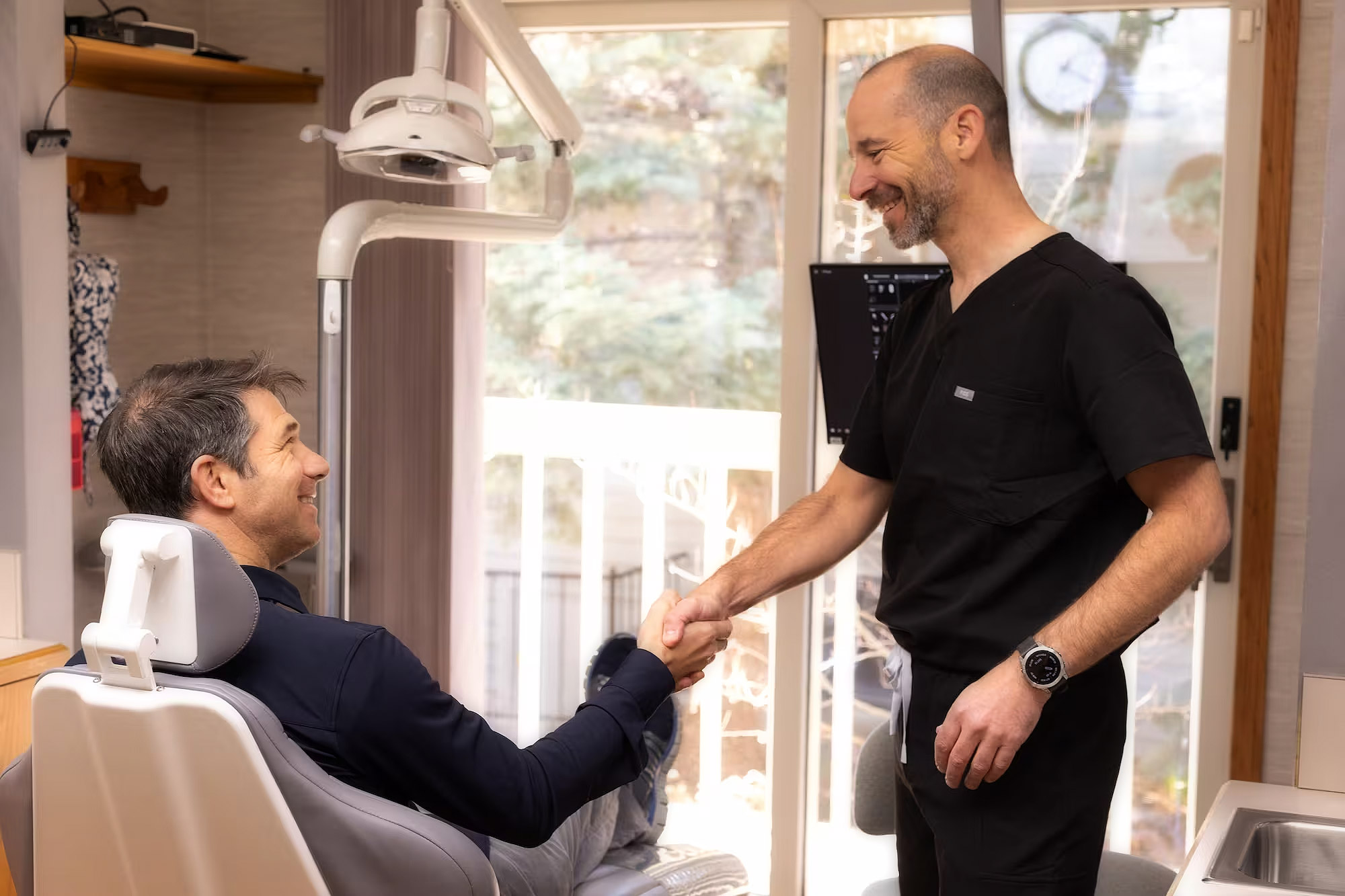


A routine dental exam is one of those appointments people tend to reduce to a quick cleaning and a reminder to floss. In practice, it is much more than that. A good exam is a structured health assessment of your teeth, gums, bite, jaw, and oral tissues, paired with practical decisions about prevention and timing. When you visit a General Dentist Aurora patients trust for regular care, the goal is not simply to spot cavities. The real objective is to catch small problems while they are still simple, comfortable, and affordable to manage.
That matters because many dental issues stay quiet for a long time. A cavity can form without pain. Gum disease often starts with only mild bleeding during brushing. A cracked filling may not announce itself until the tooth becomes sharply sensitive on a weekend. Oral health tends to shift gradually, then suddenly. Routine exams are what help keep those changes from turning into emergencies.
If you have not been in for a while, or if you are bringing a child, changing dentists, or trying to understand what actually happens in the chair, it helps to know what the visit usually includes. While every office has its own flow and every patient brings a different history, the core elements of a routine dental exam are fairly consistent.
It starts before anyone looks at your teeth
The exam begins with information. Sometimes that happens at the front desk with forms, sometimes with a dental assistant or hygienist in the treatment room. The questions may seem familiar, but they are not filler. They shape the exam in important ways.
A dentist will want to know about current medications, allergies, recent surgeries, chronic conditions, pregnancy, dry mouth, pain, sensitivity, clenching, grinding, bleeding gums, and previous dental treatment. Even details that do not feel dental can matter. A patient taking certain blood pressure medications may have dry mouth, which raises cavity risk. Someone with diabetes may be more prone to gum inflammation and slower healing. A history of acid reflux can leave a specific pattern of enamel wear. A new snoring appliance or clear aligner can affect bite contacts and jaw comfort.
This is also the point where a patient’s own observations become useful. If you say, “Cold water bothers the top right side, but only sometimes,” that narrows the search. If you mention, “Food keeps packing between two back teeth,” the dentist starts thinking about contacts, gum recession, or a filling contour problem. Small complaints often point to early changes that are easy to miss if nobody mentions them.
X-rays are not always taken at every visit, but they are often part of the exam
When people think of a dental exam, they usually picture someone peering into their mouth with a mirror. Much of the real diagnostic work, though, depends on what cannot be seen directly. That is where dental X-rays come in.
A dentist may recommend bitewing X-rays to check for decay between the teeth, bone levels around the roots, and the fit of existing fillings. If there is a specific concern, such as pain in one tooth, a periapical image might be taken to view the root and surrounding bone more closely. Panoramic images are used less often in basic routine care, but they can be helpful for broader concerns such as impacted teeth, jaw findings, or treatment planning.
The timing varies. A patient with a history of frequent decay, dry mouth, or several large restorations may need images more often than someone with low cavity risk and stable findings over many years. That is one reason a routine exam is not identical for every person. Good dentistry is not a conveyor belt. It is pattern recognition mixed with judgment.
Patients sometimes worry that declining X-rays for one visit is harmless if their teeth feel fine. Sometimes there is no immediate issue. Other times the problem hiding between two teeth is already deep enough to require a larger filling than it would have months earlier. One of the most common surprises in general practice is the painless cavity found on a routine image. By the time it hurts, the treatment is often more involved.
The soft tissue exam is brief, but it is important
Before focusing on the teeth, many dentists perform a soft tissue screening. This means looking at the lips, cheeks, tongue, floor of the mouth, roof of the mouth, and throat area that is visible during the exam. They are checking for ulcers, white or red patches, areas of irritation, unusual growths, and signs of tissue changes that should be monitored or referred.
For most patients, this part is uneventful. That is exactly the point. The screening is designed to establish normal findings and catch anything that falls outside them. A sore spot from accidentally biting your cheek may be obvious and harmless. A patch that has lingered for weeks, especially if it has no clear cause, deserves attention. Dentists spend a lot of time looking at mouths under bright light. They notice subtle asymmetries and color changes that most people would never spot in a bathroom mirror.
Tobacco use, frequent alcohol use, sun exposure on the lips, immune conditions, and chronic irritation can all affect what the dentist watches for. Even if nothing concerning is found, this part of the exam is a reminder that oral health is broader than enamel and fillings.
Then comes the periodontal check, which means the health of the gums and supporting bone
Healthy teeth need healthy support. During a routine exam, the dentist or hygienist will evaluate the gums for redness, swelling, bleeding, recession, and plaque or tartar accumulation. In many visits, they will also measure the spaces between the teeth and gums with a periodontal probe. The word “probe” sounds more dramatic than it feels. In healthy gums, it is usually just light pressure.
These measurements help identify gingivitis and periodontitis. Gingivitis is gum inflammation without bone loss. It is common and usually reversible with improved hygiene and professional cleaning. Periodontitis involves deeper damage to the structures that support the teeth, including bone. It can advance quietly, and once bone is lost, the goal shifts from reversal to control and stability.
A lot of patients are surprised when the conversation turns to gums rather than cavities. They came in expecting a report on the teeth and instead hear about bleeding points, pocket depths, recession, or tartar below General Dentist Aurora Aspenwood Dental Associates and Colorado Dental Implant Center the gumline. From a dentist’s perspective, that is not a sidetrack. It is central. A perfectly restored tooth can still have a poor long term outlook if the supporting tissues are unhealthy.
This part of the exam can also explain symptoms patients have normalized. Bleeding when brushing is often treated as no big deal, but healthy gums do not usually bleed with routine cleaning. Persistent bad breath, tenderness while flossing, or a sense that the teeth look longer than before can General Dentist Aurora all tie back to gum changes.
The dentist checks each tooth, one by one
The hands-on exam of the teeth is more methodical than many patients realize. A dentist is looking for visible decay, defective fillings, chips, fractures, worn enamel, exposed root surfaces, leaking margins around crowns, signs of grinding, and changes in tooth position. They use a mirror, light, air, and careful visual inspection. They may use an instrument to assess certain surfaces, though modern dentists are generally cautious about aggressively poking grooves and potentially damaging early enamel changes.
Existing dental work gets close attention. Fillings do not last forever. Crowns can become loose or develop decay at the edges. Bonded areas can stain or break down. A routine exam often catches restoration problems before they become painful. A tiny opening at the margin of an old filling may not bother you at all, but if bacteria continue to work their way in, the repair can eventually become a root canal or extraction issue.
Sensitivity clues matter here. A tooth that hurts with sweets may suggest early decay or a leaky filling. Sharp pain with cold that lingers can point toward nerve irritation. Pain on biting can raise suspicion for a crack, especially if the patient says it feels hard to localize. Some cracks are obvious. Others are maddeningly subtle and require repeated checks over time before the pattern becomes clear.
This is where the value of continuity shows up. A General Dentist Aurora families see year after year often notices gradual changes that would be hard to appreciate in a single snapshot. A cusp that looked fine two years ago may now show a wear facet and a faint craze line. A small area of recession may now be affecting sensitivity and brushing technique. Familiarity improves early detection.
Bite and jaw function are part of the picture too
A routine exam also includes an assessment of how the teeth come together and how the jaw is functioning. This may be a quick check or a more detailed conversation, depending on symptoms. If a patient reports morning headaches, broken fillings, jaw clicking, or facial muscle soreness, the dentist may look more carefully for signs of clenching or grinding.
The wear patterns on teeth can tell a story. Flattened edges, chipped front teeth, or notches near the gumline often suggest heavy forces over time. Sometimes the bite itself needs adjustment. Sometimes the better answer is a night guard. Sometimes stress management, sleep quality, airway issues, or medication changes are part of the broader context. Dentistry overlaps with many other systems, and the best clinicians know when to stay in their lane and when to suggest a medical conversation.
Patients often assume tooth wear is purely cosmetic until they see photographs of their own teeth side by side over several years. Then it becomes easier to understand why the dentist keeps mentioning protective strategies. Enamel does not grow back. Prevention matters more here than people think.
If you are also scheduled for a cleaning, the exam and cleaning work together
Many routine visits combine the exam with a hygiene appointment. The hygienist typically removes plaque and tartar, especially in spots that brushing and flossing cannot fully address. They polish the teeth, discuss home care, and may apply fluoride depending on age, decay risk, sensitivity, or office protocol.
What surprises some patients is that not every mouth should receive the exact same type of cleaning. A person with healthy gums and light buildup may need a straightforward preventive cleaning. Someone with active gum disease may need deeper periodontal treatment or more frequent maintenance visits. Those differences are not sales language when they are based on charted findings, bleeding, bone levels, and pocket measurements. They reflect the fact that oral conditions exist on a spectrum.
A useful way to think about it is that the cleaning removes what you cannot reliably remove at home, while the exam determines what is happening biologically and structurally. One is therapeutic and preventive. The other is diagnostic and strategic. Together, they form the backbone of routine dental care.
Photos, intraoral scans, and other tools may be used
Many modern offices use digital photography or intraoral scanners during routine exams. These tools can make the visit more informative for patients because they turn abstract descriptions into something visible. It is one thing to hear that a filling margin is breaking down. It is another to see a magnified image of the crack line on a chairside monitor.
Scans can also help track wear, crowding, bite shifts, and gum recession over time. They are especially useful for patients who feel they have “good teeth” and are not sure why treatment is being recommended. Seeing a fractured cusp or food trap often changes the conversation from skepticism to understanding.
Technology helps, but it does not replace clinical skill. A clear photograph still needs correct interpretation. An image can support a diagnosis, not make one by itself. The strongest routine exams come from a combination of patient history, careful clinical observation, radiographs when appropriate, and the experience to connect those pieces.
The conversation afterward is where the value often becomes clearest
Once the exam is complete, the dentist should explain what they found in plain language. If everything looks stable, that is worth hearing clearly. Patients should leave knowing that their home care is working, their restorations look sound, or their gum health is good. Preventive care is not only about finding problems. It is also about confirming stability and reinforcing what is going well.
If treatment is needed, the explanation should cover what the issue is, how urgent it is, and what can happen if it is delayed. A tiny cavity and a cracked molar are not the same conversation. Neither are mild gingivitis and advanced periodontal breakdown. Timing matters, and experienced dentists usually prioritize based on risk, symptoms, and the likely rate of progression.
It is fair to ask questions. Many patients want to know whether a problem can be watched, whether replacing an old filling now prevents something bigger later, or whether sensitivity can be managed conservatively first. Those are reasonable discussions. Good care does not mean every questionable area gets drilled immediately. It means the dentist uses sound judgment and explains the trade-offs honestly.
For example, an old filling with a stained margin may be monitored if the tooth is symptom free and the X-ray looks stable. On the other hand, a similar looking margin combined with softness, recurrent decay on imaging, or food trapping might justify replacement sooner. That distinction is exactly why routine exams matter. Dental decisions are often less about dramatic symptoms and more about reading patterns correctly.
What a patient can do to make the exam more useful
The best routine exams are collaborative. Arriving with a sense of what has changed since your last visit helps more than people realize. Mention if you are avoiding chewing on one side, if cold drinks have started to sting, if a filling feels rough, or if you wake up clenching. These details can speed up diagnosis.
It also helps to be candid about home care and habits. If flossing has been inconsistent, say so. If you sip sweetened coffee for hours, use a sports drink daily, smoke, grind your teeth, or snack often while working, that context changes risk. Dentists are not looking for perfect report cards. They are trying to understand cause and effect so the advice actually fits your life.
Children, older adults, and patients with extensive dental work often need especially tailored guidance. A child’s routine exam may focus on eruption patterns, sealants, hygiene coaching, and habits such as thumb sucking. An older adult may need more attention to root decay, dry mouth from medications, and maintaining existing crowns or bridges. A patient with multiple implants or a history of periodontal treatment needs a different maintenance strategy than someone with untouched natural teeth. Routine does not mean generic.
How often should routine exams happen?
The twice-a-year schedule is common for a reason, but it is not a law of nature. Some patients do well on a six-month rhythm for many years. Others benefit from more frequent periodontal maintenance because gum disease returns faster without professional care. A low-risk adult with excellent hygiene and stable findings may have a different recall pattern, depending on the dentist’s assessment and local standards of care.
The important point is consistency. Long gaps make it harder to compare changes, harder to keep small issues small, and more likely that the next visit starts with pain instead of prevention. Most people who have experienced both scenarios understand the difference. A brief exam that catches an early filling need is inconvenient. An urgent appointment for a fractured tooth that now needs a crown is disruptive, more expensive, and usually more stressful.
Why people often feel relieved after a routine exam
Even anxious patients often leave a good routine visit feeling lighter than they expected. Part of that is practical. Clean teeth feel better. Questions get answered. Vague concerns become specific. But part of it is psychological. Uncertainty is tiring. Many people carry a low grade worry about a tooth they have been ignoring or a sensitivity they hope will disappear. Once a dentist evaluates it and explains what is happening, the situation becomes manageable.
That is the quiet strength of routine dental care. It replaces guesswork with observation, and reaction with planning. A routine dental exam is not a formality or a box to check. It is the appointment where small findings are caught early, old dental work is assessed before it fails, gum health is measured rather than assumed, and long term patterns become visible.
When you see a General Dentist Aurora residents rely on for ongoing care, you are not just getting your teeth “looked at.” You are getting a structured review of a part of your health that can change slowly, silently, and expensively if neglected. A well-run routine exam is efficient, but it is never superficial. It is one of the simplest ways to protect both your oral health and your future treatment options.
Aspenwood Dental Associates and Colorado Dental Implant Center
Address: 2900 S Peoria St Ste C, Aurora, CO 80014
Phone number: +13037314037
FAQ About General Dentist Aurora
What is meant by general dentistry?
General dentistry refers to the primary, foundational tier of oral healthcare, focused on the prevention, diagnosis, and treatment of conditions affecting the teeth, gums, and jaw. General dentists serve as a patient's main, long-term dental care provider—much like a primary care physician.
What is general dentistry and orthodontics?
General dentistry and orthodontics are two specialized branches of dental care. General dentistry serves as your primary care for overall oral health, focusing on routine cleanings, fillings, and disease prevention. Orthodontics is a specialized field focused entirely on diagnosing and correcting misaligned teeth and jaw structures using braces or clear aligners.
What are type 3 dental services?
Type 3 dental services typically include major restorative treatments that repair or replace damaged or missing teeth. These services are more complex and costly than preventive or basic dental care. Common examples of type 3 dental services include: Dental crowns.